
In Person or Virtual WorkshopOriginal Art Quilt Collage
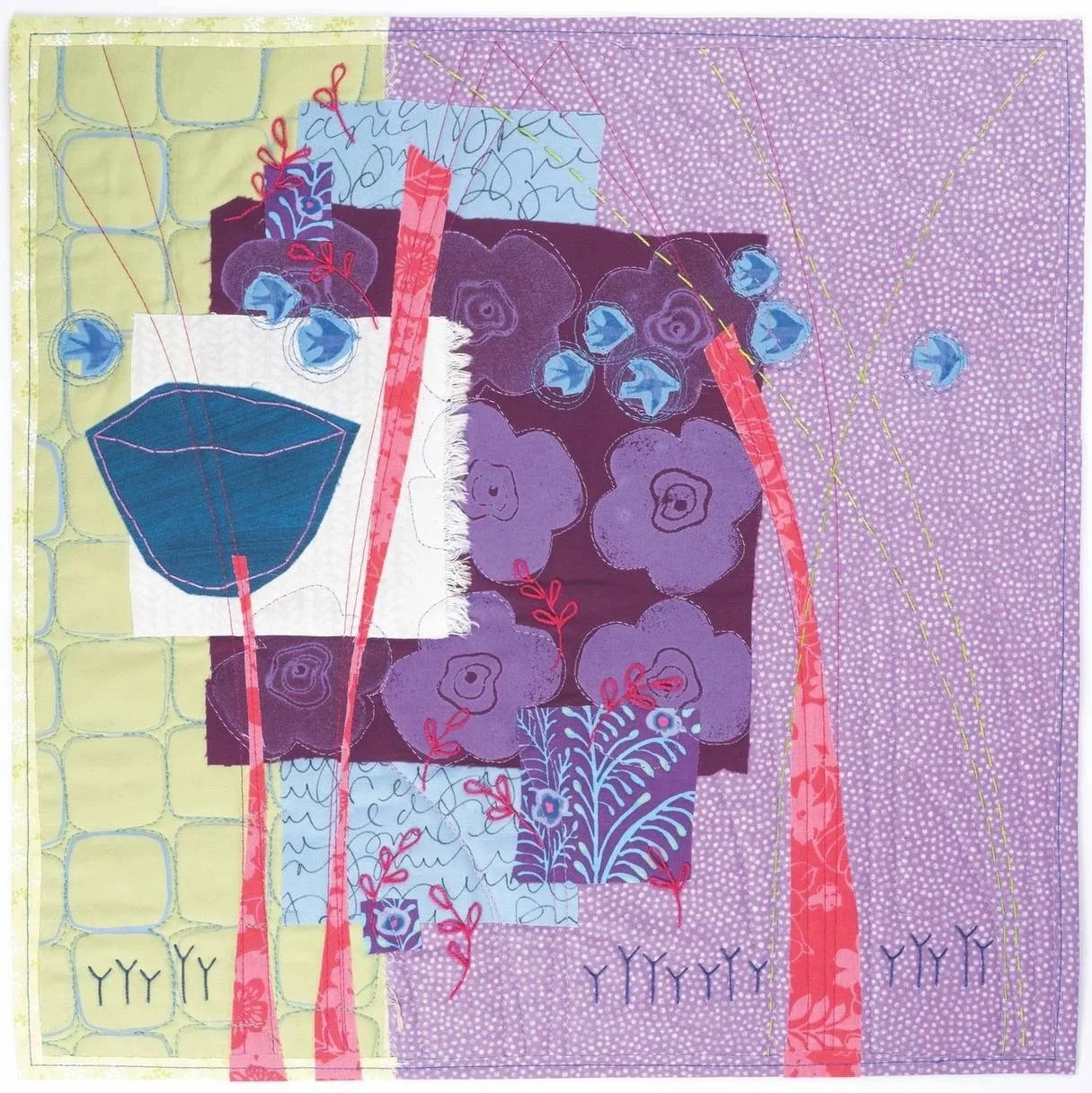
Create a 16x16” original art quilt collage with fabric, paint and stitch. Suitable for all levels with confident enthusiasm.
About this workshopExplore a variety of ideas & techniques
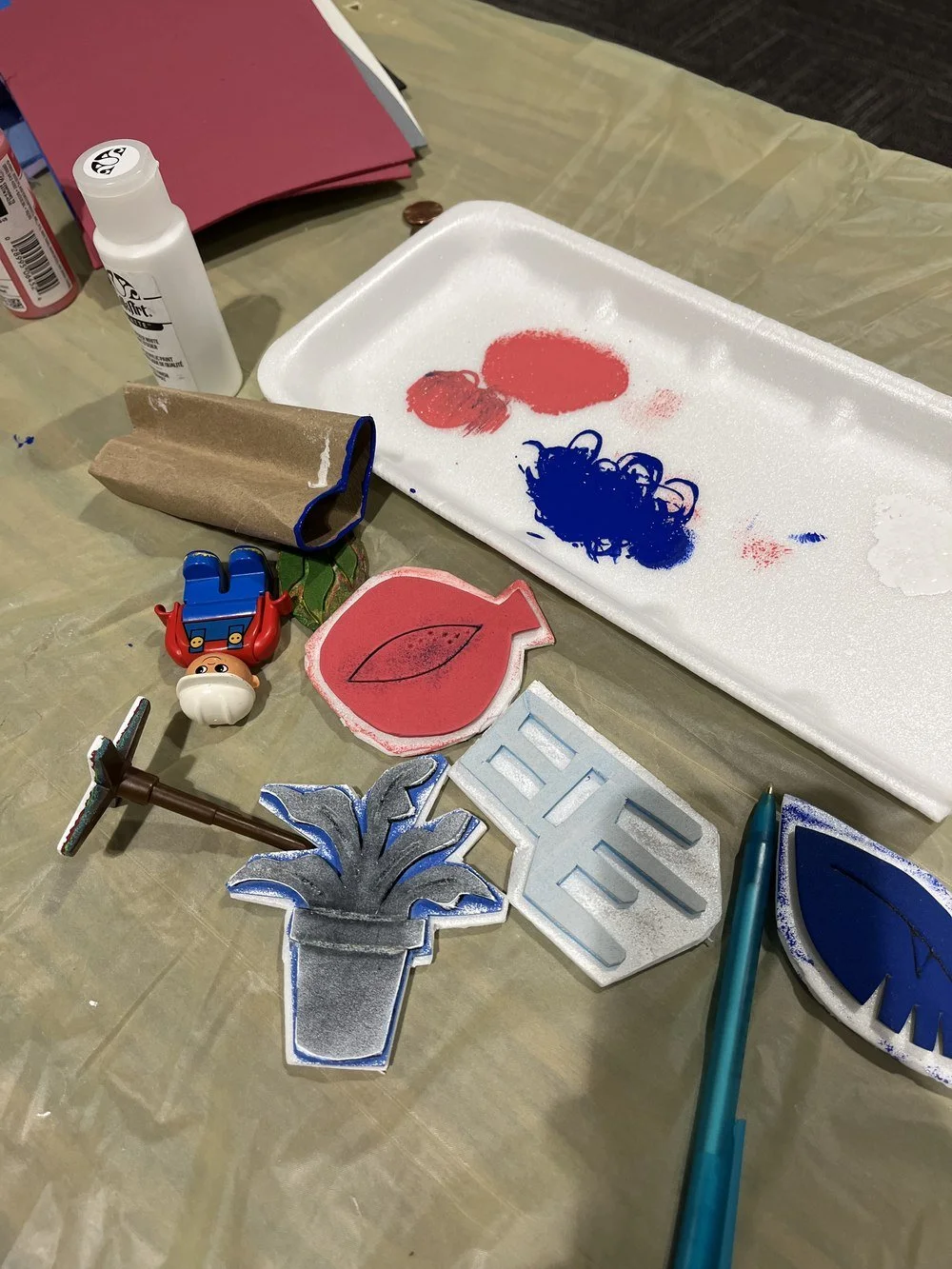
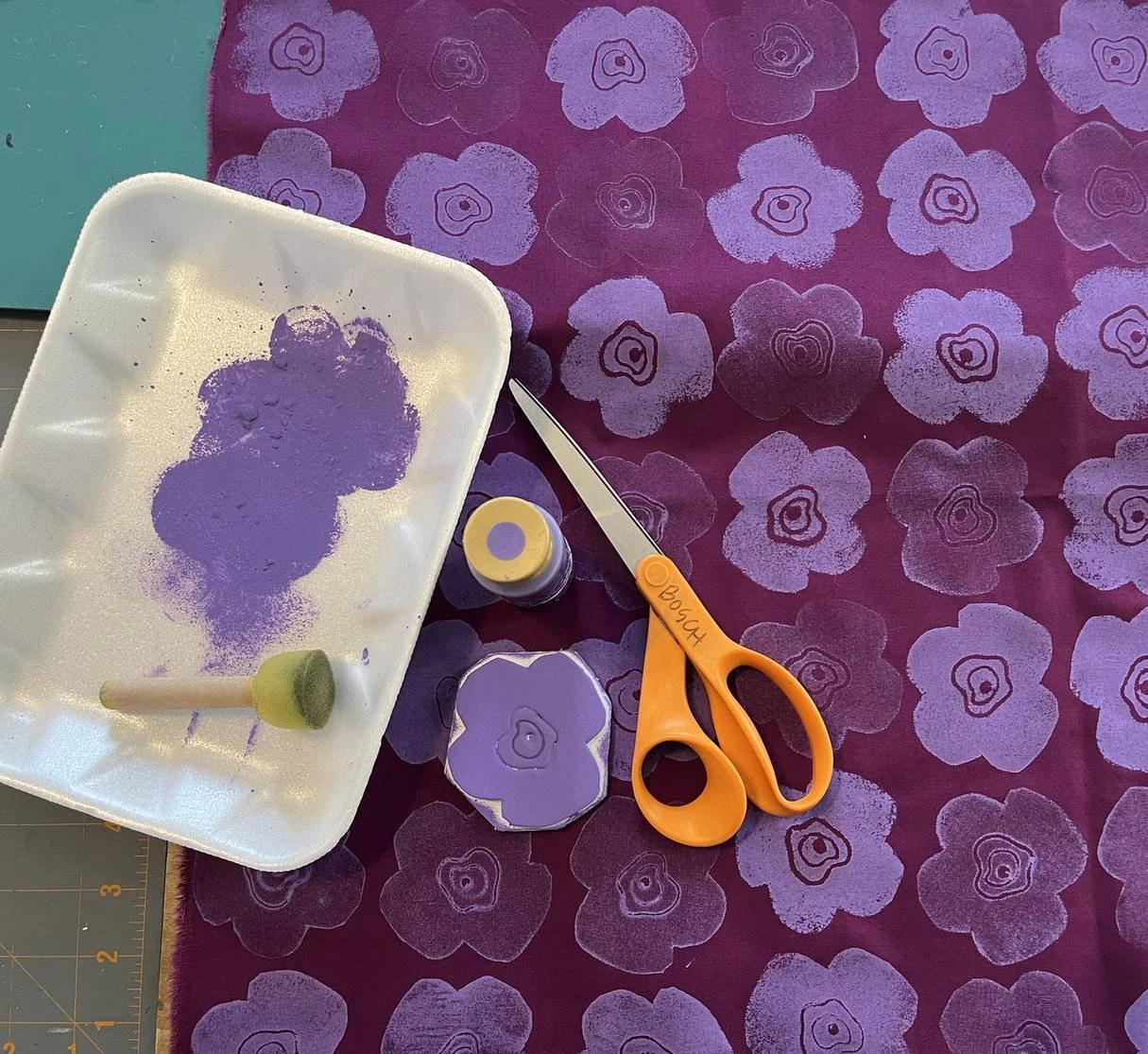
Create an art quilt collage by exploring a variety of ideas and techniques with layers of fabric, paint and stitch. Experiment with several methods of creating pattern and marks on fabric then begin composing using intuitive ideas.
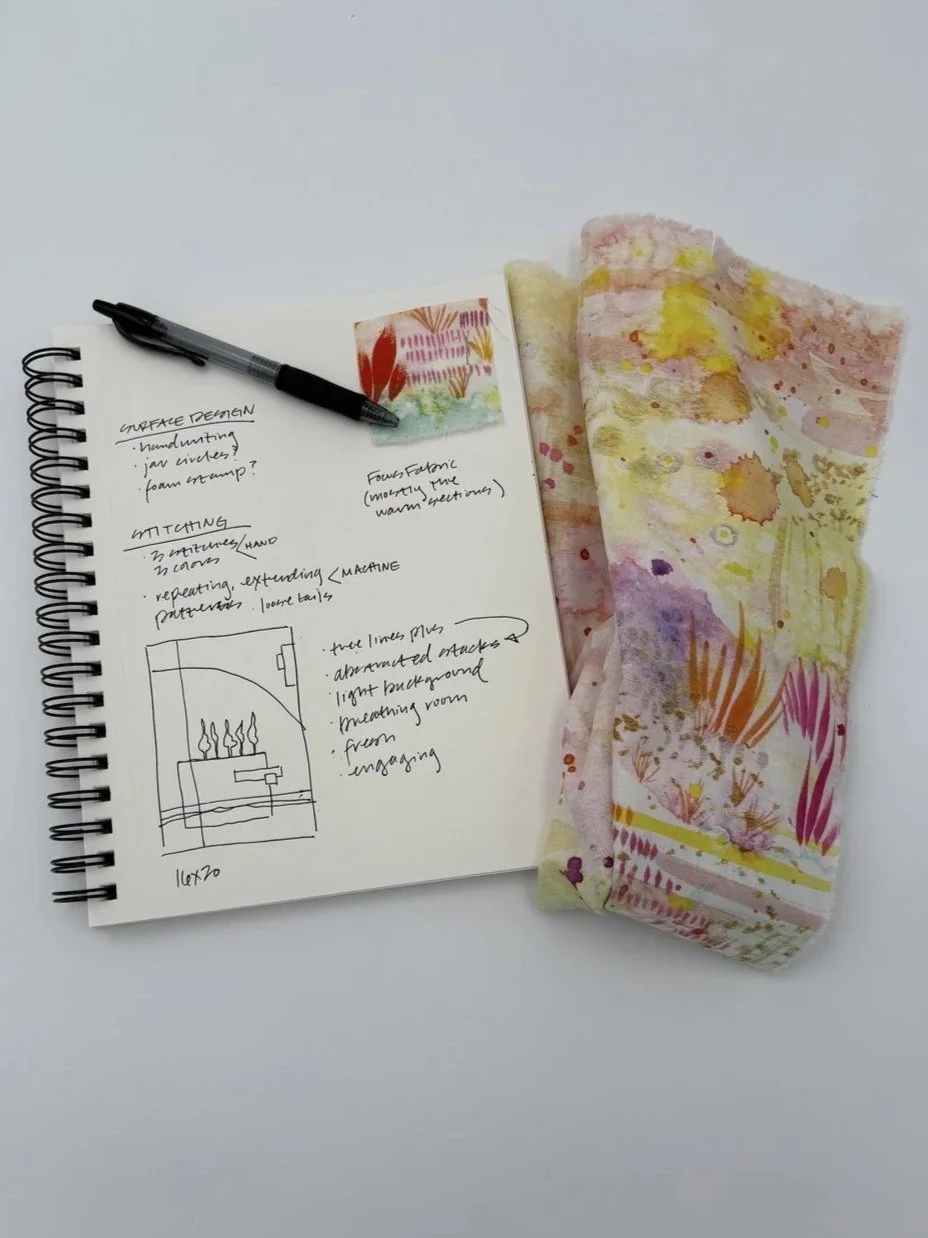
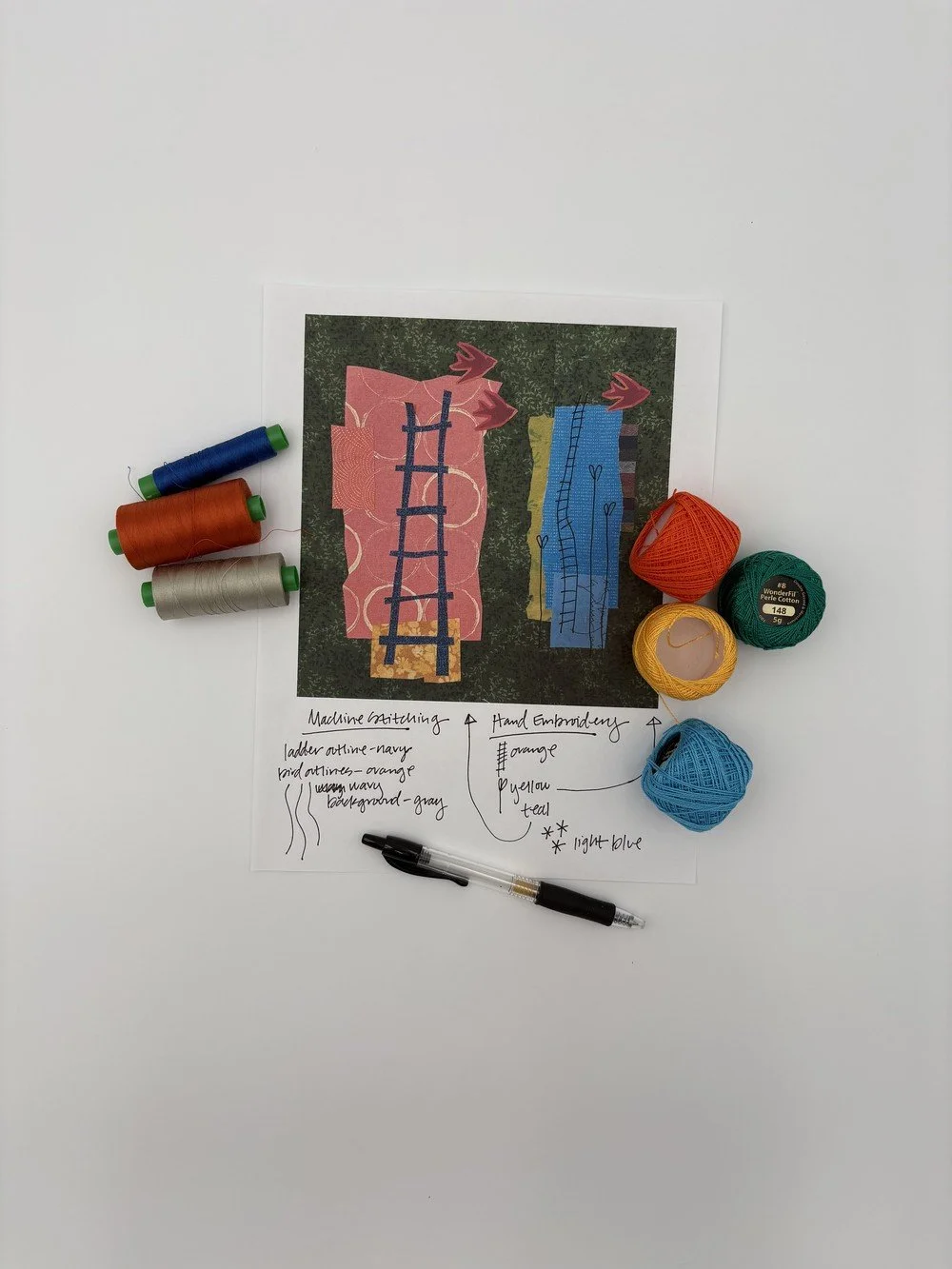
Students will learn ways to find inspiration, incorporate personal symbols, and create details with stitching by hand and by machine. Plus, explore new creative possibilities with quick exercises, sketches, list-making and mind-mapping.
Workshop at a Glance
Focus: fused appliqué, composition, print making, personal symbols, stitch as a design element, hand embroidery, finishing
Duration — 1 or 2 days (2 day is ideal)
Skill Level — All levels with confident enthusiasm
Project — 16 × 16" original art quilt collage
Format — In person or virtual
Fees — $750 per day virtual · $850 per day in person
Room Requirements — Digital projector & screen ideal, access to water
In the workshopWhat the Workshop Looks Like
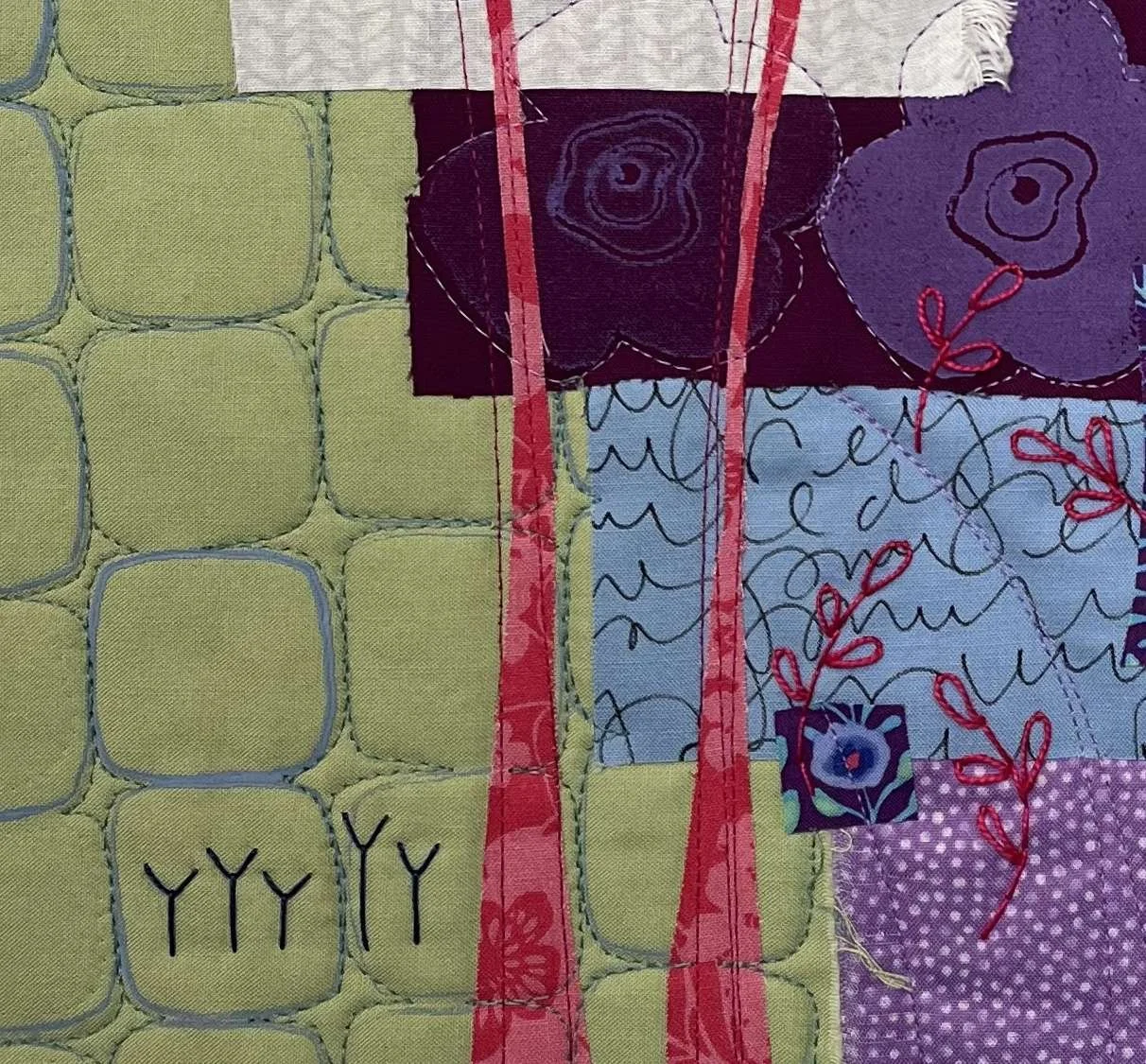
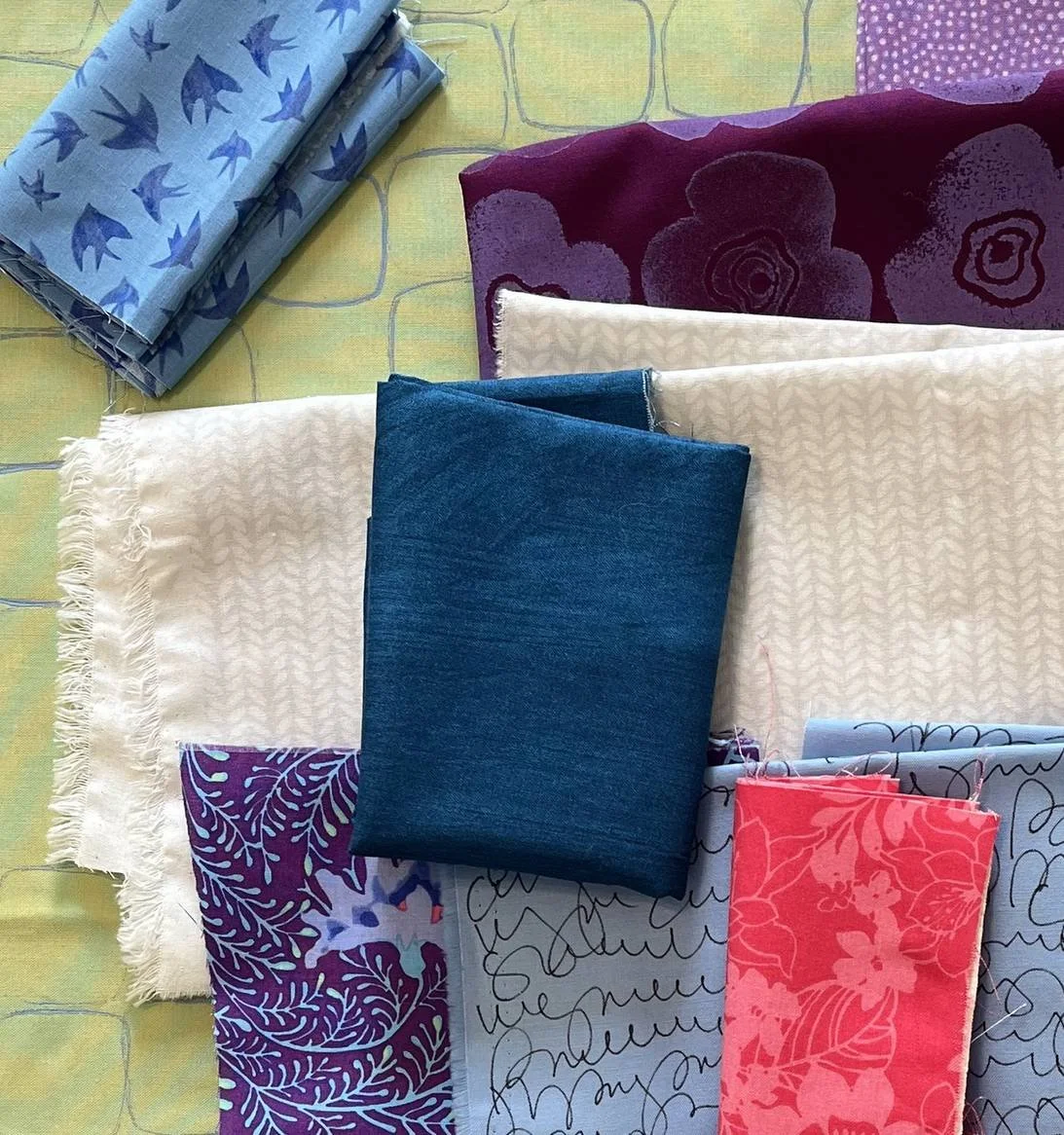
From finished samples to works in progress, here's a look at the creative process we explore together.
What to bringSupply List
Required
4 to 6 fat quarters or equivalent fabric pieces
Choose fabrics you love that look great together. This will become your “fabric palette.” Include darks, mediums and lights in a variety of prints from large to small scale, some tone-on-tone and one or two multi-color pieces. If you have pre-fused fabrics, feel free to bring them.3 or 4 fat quarters solid color cotton fabrics or scraps that are about 10x10”
Pick colors that coordinate with your fabric palette. This is fabric for surface design explorations. If you think you’d like to do more surface design, bring more solid fabrics.2 or 3 yards fusible webbing (if you haven’t fused your fabrics before the workshop) I like Wonder Under and Misty Fuse.
teflon sheet or parchment paper
batting, approximately 16x16”
rotary cutter and mat
scissors
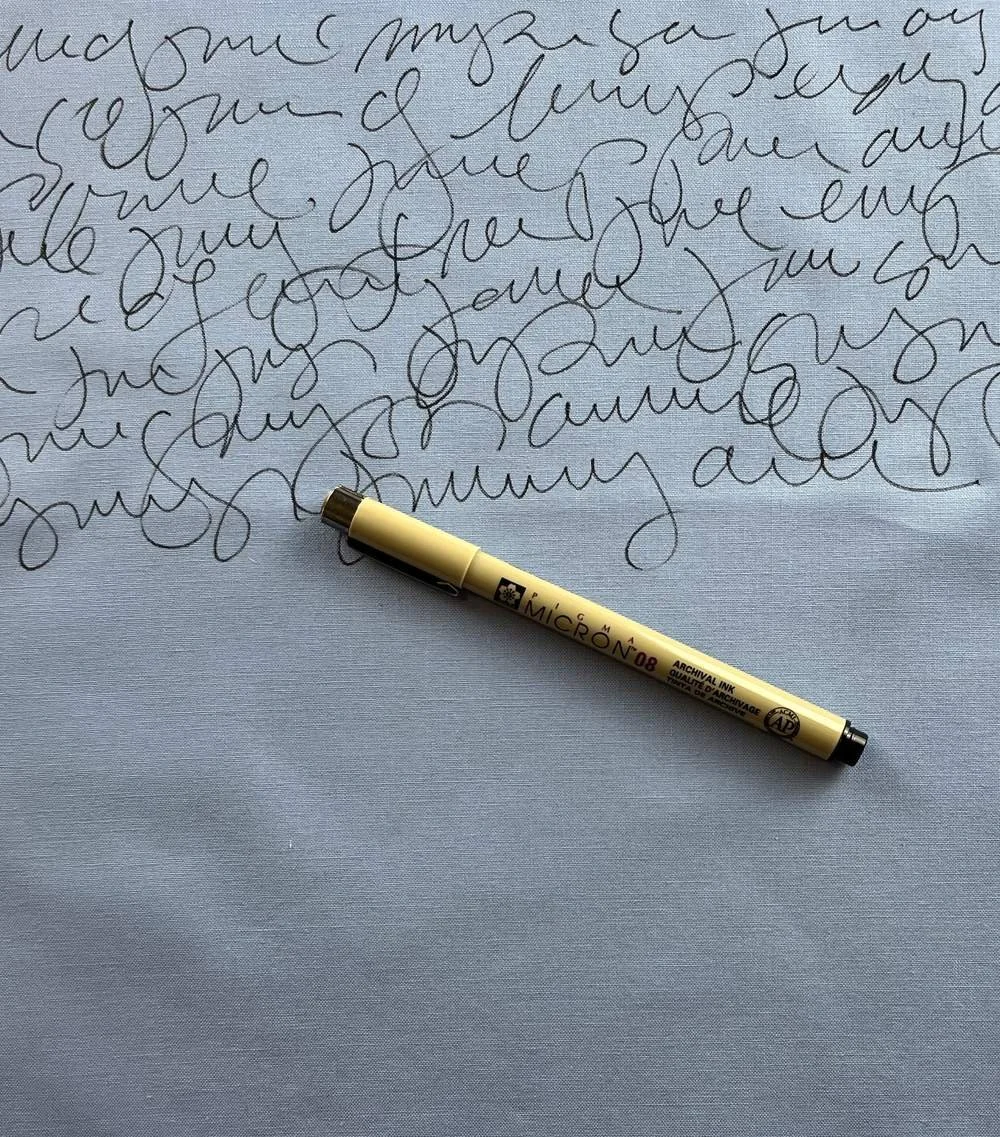
large and small for both paper and fabricMicron Pigma Pen (or other fabric markers)
I like the 08 size in black.sticky-backed fun foam (1 sheet)
For in person workshops, I’ll have some for sale if you can’t find any. You can order single sheets here.2 empty toilet paper tubes
1 or 2 spouncers or any sponge stencil brush
2 or 3 small bottles acrylic paint
Include darks and lights to coordinate with your fabric palette. Craft store paint is fine. I like Folk Art Brand from Michaels.3 squares of corrugated cardboard, foam core, or recycled styrofoam approximately 4x4”
paper plate or something similar for mixing paint
small container for water
plastic trash bag to cover your work area and an apron if you like to wear one when using paint
embroidery floss, pearl cotton or other embroidery threads
Coordinate with your fabric palette, some darks and some lights. (4 to 5 skeins)embroidery needle and thimble if you use one regularly
sketchbook, pen and pencil
Optional
Additional fabric, paint or embroidery floss
Feel free to bring additional prints or solid fabrics if you want to have more choices to work with. A few more bottles of paint and floss may also be nice to have. (It’s a balance between bringing enough to feel creative but not so much that you’re paralyzed by too many options. Whatever you bring, we’ll have a great time exploring possibilities.)Sewing machine and thread If you'd like to finish your original art quilt collage with both machine stitching and hand embroidery during class time, bring your machine (along with thread, bobbins, and your usual sewing tools). However, if bringing a machine isn’t convenient (or you prefer to machine quilt at home), you can focus on design, composition, printmaking techniques, and hand embroidery during our time together.
Tip: Watch this Video
Ideally, all your fabrics have fusible webbing applied to the back before the workshop. Follow the instructions in this video for fusing your fabrics ahead of time.
About Deborah
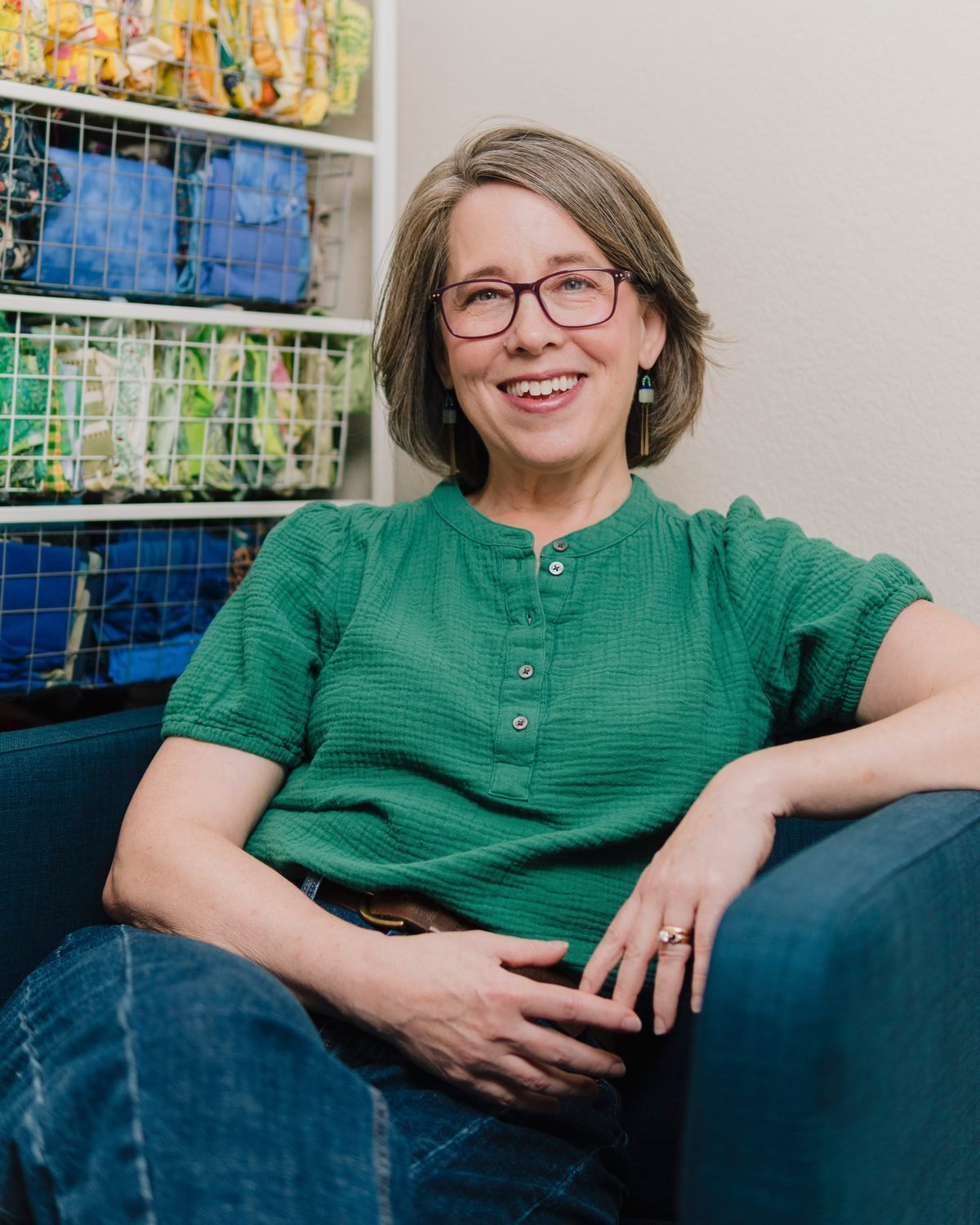
Deborah is an artist, author, and teacher whose art quilt collages are known for their bold use of color, layered texture, and personal storytelling. She has taught workshops for guilds and groups across the country for over two decades.
Bring this workshop to your groupReady to Book?
Connect with Deborah to arrange times, formats, and fee structures that work for your guild or group.